Heel Spurs, Heel Pain, and Your Treatment Options
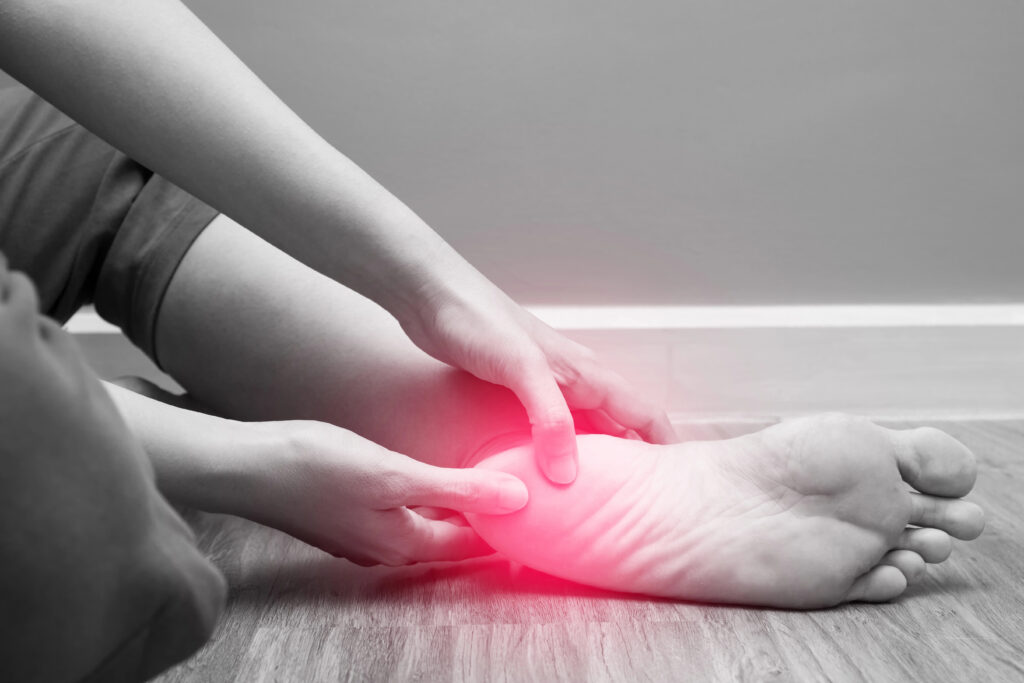
Heel pain can make walking, standing, exercising, and other everyday activities uncomfortable. A heel spur is a bony growth that can develop on the heel bone in response to repeated stress on the foot. Although heel spurs are sometimes associated with pain, many do not cause symptoms and are discovered during imaging for another problem. At OrthoCenter, our foot and ankle specialists evaluate the source of your heel pain and develop personalized treatment plans focused on relieving discomfort, improving mobility, and helping you return to the activities you enjoy.
Treatment for heel pain associated with a heel spur typically begins with conservative approaches such as activity modification, stretching, supportive footwear, orthotics, and physical therapy. If symptoms don’t improve with these measures, we may consider additional treatments based on the underlying cause and severity of the condition. OrthoCenter provides both nonsurgical and surgical foot and ankle care for a wide range of conditions affecting the feet and ankles.
What Is a Heel Spur?
A heel spur is a bony growth that develops on the heel bone, also known as the calcaneus. These growths commonly form on the underside of the heel, near where the plantar fascia attaches to the bone. Spurs can also develop at the back of the heel near the attachment of the Achilles tendon.
Heel spurs typically develop gradually in response to repeated stress on the tissues surrounding the heel. They are often associated with plantar fasciitis, but heel spurs and plantar fasciitis are different conditions. The presence of a heel spur does not necessarily mean that it is responsible for your pain.
What Causes Heel Spurs?
Heel spurs develop over time as the body responds to repeated stress on the heel bone and surrounding connective tissues. Activities and conditions that place ongoing strain on the foot may contribute to their formation.
Common contributing factors include:
- Plantar fasciitis or repeated strain on the plantar fascia
- Prolonged standing or walking
- Running and other high-impact activities
- Wearing shoes without adequate cushioning or arch support
- Flat feet or high arches
- Changes in walking mechanics
- Tight calf muscles or limited ankle flexibility
- Increased body weight that places additional stress on the feet
- Repetitive impact on hard surfaces
Heel spurs often develop alongside other foot conditions rather than as an isolated problem. Identifying the source of your symptoms is important because treatment typically focuses on the underlying cause of heel pain, not simply the presence of the bony growth.
Symptoms of Heel Spurs
Many people with heel spurs experience no symptoms at all. When heel pain does occur, it may be related to an associated condition, such as plantar fasciitis, or irritation of the soft tissues surrounding the heel.
Possible symptoms include:
- Pain underneath the heel
- Tenderness near the heel bone
- Discomfort when standing or walking
- Pain with the first steps in the morning
- Heel pain after sitting or resting
- Discomfort that increases after prolonged activity
- Pain at the back of the heel near the Achilles tendon
- Difficulty participating in exercise or other physical activities
The location and timing of heel pain can help your physician determine what may be causing your symptoms. Persistent heel pain should be evaluated rather than automatically attributed to a heel spur, since stress fractures, tendon problems, plantar fasciitis, and other conditions can cause similar symptoms.
How Are Heel Spurs Diagnosed?
Diagnosing a heel spur typically begins with a review of your symptoms, medical history, activity level, and any previous foot or ankle problems. Your physician may ask where the pain occurs, when it started, what activities make it worse, and whether you experience discomfort after periods of rest.
During the physical examination, your specialist may check for tenderness around the heel, assess your foot structure and ankle flexibility, and evaluate how you stand and walk. Diagnostic testing may be recommended when needed to confirm the presence of a heel spur or determine whether another condition is contributing to your symptoms.
Diagnostic testing may include:
- X-rays: Commonly used to identify a heel spur and evaluate the structure of the heel bone.
- Ultrasound: May be used to evaluate the plantar fascia, Achilles tendon, and other soft tissues surrounding the heel.
- MRI scans: May be recommended when the diagnosis is unclear or a stress fracture or other soft-tissue injury is suspected.
An X-ray can confirm the presence of a heel spur, but the finding alone does not establish the cause of your pain. Your orthopedic specialist will consider your symptoms, examination findings, and any imaging results when determining the most appropriate treatment.
Heel Spur Treatment at Home
Many cases of heel pain associated with heel spurs can initially be managed with conservative measures at home. The goal is to reduce pressure on the heel, relieve discomfort, and address factors that may be irritating the surrounding tissues.
Helpful measures may include:
- Reducing activities that aggravate heel pain
- Applying ice to the painful area
- Stretching the plantar fascia and calf muscles
- Wearing supportive shoes with adequate cushioning
- Using over-the-counter shoe inserts or orthotics
- Avoiding prolonged walking barefoot on hard surfaces
- Choosing lower-impact activities while symptoms improve
- Gradually returning to normal activity as pain decreases
Supportive footwear and activity modification can be particularly helpful for people who spend long periods standing or walking. If symptoms persist despite home treatment, an orthopedic evaluation can help determine whether additional treatment is needed.
Conservative Heel Spur Treatment
Most patients with heel pain associated with heel spurs can begin with nonsurgical treatment. Because the spur itself is not always the source of discomfort, treatment generally focuses on reducing stress on the heel and addressing the underlying condition.
Conservative treatment options may include:
- Activity modification
- Physical therapy
- Stretching exercises
- Strengthening exercises
- Supportive footwear
- Custom or over-the-counter orthotics
- Heel cups or cushioning inserts
- Ice therapy
- Anti-inflammatory medications when appropriate
- Night splints in selected cases
Your treatment plan will depend on the location of the spur, the severity of your symptoms, and whether another condition, such as plantar fasciitis or Achilles tendon problems, is contributing to your pain.
Physical Therapy for Heel Spurs
Physical therapy can help address the underlying factors contributing to heel pain, particularly when tight muscles, limited ankle mobility, or altered walking mechanics place additional stress on the heel. Rehabilitation can focus on improving flexibility, strength, balance, and movement patterns.
A physical therapist may recommend:
- Plantar fascia stretching
- Calf and Achilles tendon stretches
- Foot and ankle strengthening exercises
- Exercises to improve ankle flexibility
- Balance and stability training
- Gait and movement assessments
- Guidance on modifying activities during recovery
- Home exercises to continue between appointments
A consistent rehabilitation program can help improve flexibility, restore strength, and reduce unnecessary strain on the foot. OrthoCenter offers Physical Therapy at its Red Bank location, where patients can receive rehabilitation for orthopaedic conditions and injuries.
Orthotics and Supportive Footwear
Footwear can influence how pressure is distributed across the heel and the rest of the foot. Shoes with adequate cushioning and arch support may help reduce stress on the plantar fascia and surrounding tissues, particularly during prolonged standing or walking.
Heel cups, over-the-counter inserts, and custom orthotics may also be recommended depending on your foot structure, symptoms, and activity level. Replacing worn-out shoes and avoiding prolonged walking barefoot on hard surfaces may further reduce irritation, while your orthopedic specialist can help determine whether additional support may be beneficial.
When Is Surgery Needed for Heel Spurs?
Surgery is rarely necessary for heel spurs. Most patients can manage their symptoms with nonsurgical treatment, particularly when the underlying problem is plantar fasciitis or irritation of the surrounding soft tissues. Surgery may be considered in select cases when significant pain continues despite an appropriate course of conservative treatment.
Depending on the diagnosis, a procedure may address the underlying condition, remove the spur, or involve both approaches. Removing a heel spur is not always necessary to relieve pain, so your orthopedic specialist will consider the source of your symptoms before recommending surgery. OrthoCenter provides foot and ankle surgical care for patients whose conditions require operative treatment.
Heel Spur Recovery
Recovery from heel pain associated with a heel spur depends on the underlying cause, symptom severity, and how consistently you follow the recommended treatment plan. Some patients improve within several weeks, while others may need several months of conservative care and rehabilitation.
Symptoms often improve gradually as pressure on the heel decreases and the surrounding tissues become better able to tolerate everyday activities. Following your treatment plan, wearing supportive footwear, performing recommended stretches, and gradually increasing activity can help support recovery.
When Should You See a Doctor for Heel Pain?
Occasional heel discomfort may improve with rest, supportive footwear, stretching, and other conservative measures. However, persistent or worsening pain should be evaluated, particularly when it interferes with walking, standing, exercise, or other daily activities.
Consider scheduling an orthopedic evaluation if:
- Heel pain continues despite home treatment
- Pain persists for several weeks
- Discomfort interferes with walking or standing
- Heel pain repeatedly returns after activity
- You experience persistent tenderness or swelling
- Pain limits your ability to exercise or participate in sports
- You are unsure whether a heel spur is causing your symptoms
Sudden or severe heel pain following an injury should also be evaluated because fractures, tendon injuries, and other conditions can cause symptoms that resemble heel spur pain. Significant swelling, difficulty bearing weight, or rapidly worsening symptoms are additional reasons to seek prompt medical attention.
Heel Spur Treatment at OrthoCenter
Heel pain can interfere with everyday movement, exercise, and other activities, but treatment can help address the underlying cause and improve comfort. OrthoCenter’s orthopedic specialists provide comprehensive foot and ankle care to evaluate heel pain, identify contributing conditions, and develop treatment plans based on your symptoms and activity goals.
Whether you need conservative care, physical therapy, orthotics, or additional treatment for persistent symptoms, OrthoCenter offers nonsurgical and surgical options for foot and ankle conditions. Physical therapy is available exclusively at the Red Bank location. Schedule an appointment to have your heel pain evaluated and take the next step toward restoring comfortable movement.