Patellar Tendinitis: Understanding Jumper’s Knee and Treatment
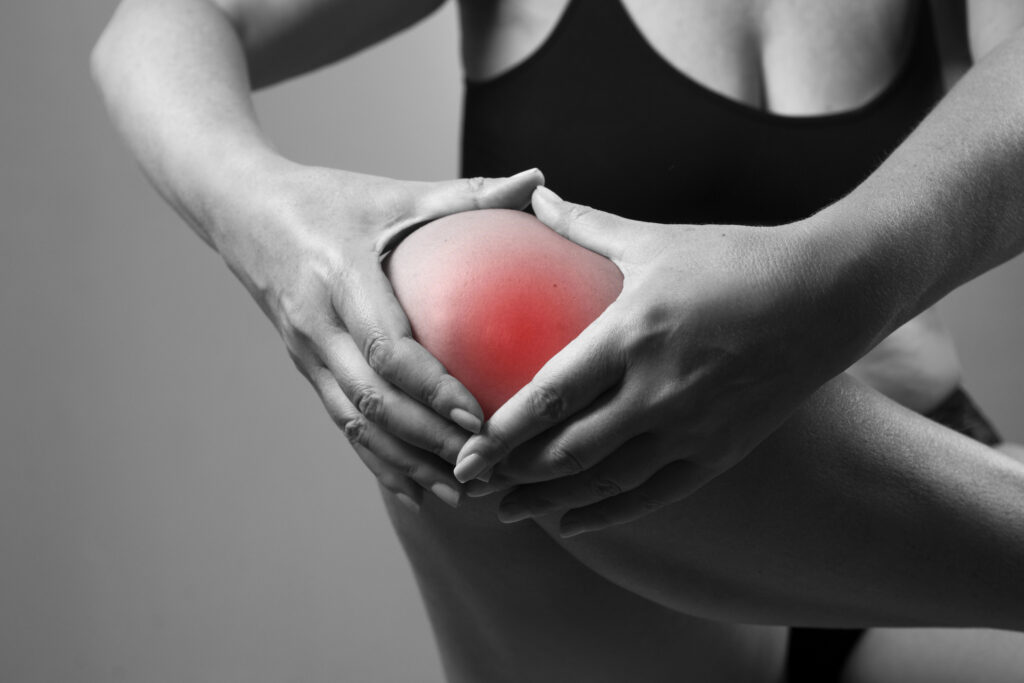
Pain at the front of the knee can make running, jumping, climbing stairs, and even everyday activities uncomfortable. Patellar tendinitis, sometimes called jumper’s knee, is a common overuse injury affecting the tendon that connects the kneecap to the shinbone. At OrthoCenter, our knee specialists evaluate the source of your knee pain and develop personalized treatment plans focused on reducing symptoms, restoring function, and helping you return to the activities you enjoy.
Treatment for patellar tendinitis often begins with conservative approaches such as activity modification, stretching, strengthening exercises, and physical therapy. When symptoms do not improve with these measures, additional treatments may be considered based on the severity of the condition and the patient’s individual needs. OrthoCenter provides nonsurgical and surgical knee care for a wide range of conditions affecting the knee.
What Is Patellar Tendinitis?
Patellar tendinitis is an overuse injury involving the patellar tendon, which connects the bottom of the kneecap to the shinbone. The tendon helps transmit the force generated by the quadriceps muscles, allowing you to straighten your knee, walk, run, jump, and perform other movements.
Patellar tendinitis is often associated with repetitive jumping or other activities that place repeated stress on the tendon. Although the condition is commonly called jumper’s knee, it can affect athletes and active people involved in a variety of sports and physical activities. Symptoms may develop gradually and become more noticeable as continued stress causes irritation and changes within the tendon.
What Causes Patellar Tendinitis?
Patellar tendinitis develops when repeated stress is placed on the patellar tendon faster than the tissue can recover. Activities involving frequent jumping, running, or rapid changes in direction can place significant demands on the tendon.
Common risk factors and contributing factors include:
- Repetitive jumping
- Running and other high-impact activities
- Frequent changes in direction
- Sports such as basketball, volleyball, soccer, and tennis
- Sudden increases in training intensity or activity
- Tight quadriceps or hamstring muscles
- Weakness in the muscles supporting the knee and hip
- Poor lower-extremity movement mechanics
- Repeated stress on the patellar tendon
- Inadequate recovery between intense activities
Patellar tendinitis is often related to a combination of training, biomechanics, muscle strength, and recovery. Identifying the factors contributing to the condition can help your orthopedic specialist develop a treatment plan that reduces stress on the tendon and supports recovery.
Symptoms of Patellar Tendinitis
Pain at the front of the knee is the most common symptom of patellar tendinitis. Symptoms may initially occur only during physical activity but can become more noticeable as the condition progresses.
Common symptoms include:
- Pain between the kneecap and shinbone
- Pain at the front of the knee
- Tenderness over the patellar tendon
- Pain during jumping or running
- Discomfort when climbing stairs
- Pain when squatting or bending the knee
- Knee stiffness
- Pain that worsens with increased activity
- Weakness or difficulty performing certain activities
Symptoms may initially improve with rest but return when activity resumes. As patellar tendinitis progresses, pain may begin to interfere with everyday movements or occur even when you are not exercising.
Persistent knee pain should be evaluated if it interferes with sports, exercise, work, or daily activities. Other knee conditions can cause similar symptoms, so an orthopedic evaluation can help determine whether the patellar tendon is the source of your pain.
How Is Patellar Tendinitis Diagnosed?
Diagnosing patellar tendinitis typically begins with a review of your symptoms, activity level, and medical history, followed by a physical examination of the knee. Your physician may ask when the pain occurs, what activities make it worse, and whether you recently changed your training or activity level.
During the examination, your specialist may check for tenderness along the patellar tendon, evaluate knee movement, assess muscle strength and flexibility, and observe how the knee and lower extremity move during certain activities.
Imaging may be recommended when symptoms are persistent, the diagnosis is unclear, or another condition needs to be ruled out. Diagnostic testing may include:
- X-rays: Can identify bone abnormalities, arthritis, or other structural problems that may contribute to knee pain.
- Ultrasound: Can provide images of the patellar tendon and help identify changes within the tendon.
- MRI scans: Can provide detailed images of the tendon and surrounding structures when a more comprehensive evaluation is needed.
An accurate diagnosis allows your orthopedic specialist to distinguish patellar tendinitis from other potential causes of front-of-the-knee pain and determine which treatment options are most appropriate.
Patellar Tendinitis Treatment at Home
Many cases of patellar tendinitis can initially be managed with conservative care. Reducing activities that aggravate the tendon can help limit continued stress while allowing the tissue to recover. Ice and appropriate stretching may also help manage symptoms.
Helpful measures may include:
- Reducing or temporarily avoiding painful activities
- Applying ice to the knee after activity
- Stretching the quadriceps and hamstring muscles
- Maintaining appropriate lower-body strength
- Using low-impact activities while symptoms improve
- Gradually returning to running and jumping
- Allowing adequate recovery between workouts
- Following guidance from your physician or physical therapist
Complete inactivity is not always necessary. The goal is generally to modify activities enough to reduce irritation while maintaining appropriate movement and strength. Your treatment plan may need to be adjusted based on your symptoms and how the tendon responds to activity.
Conservative Patellar Tendinitis Treatment
Most cases of patellar tendinitis are initially treated without surgery. Conservative treatment focuses on reducing stress on the patellar tendon, managing pain, improving strength and flexibility, and addressing movement patterns or training habits that may be contributing to the condition.
Treatment may include:
- Activity modification
- Physical therapy
- Stretching exercises
- Progressive strengthening exercises
- Eccentric or other tendon-loading exercises
- Ice therapy
- Supportive bracing or taping when appropriate
- Anti-inflammatory medications when recommended
- Gradual return-to-sport programs
Strengthening is an important part of rehabilitation because the muscles surrounding the knee and hip help absorb and distribute forces during movement. A physical therapist can develop a progressive exercise program that increases the demands placed on the tendon as your symptoms improve.
Physical Therapy for Patellar Tendinitis
Physical therapy can play an important role in treating patellar tendinitis by addressing strength, flexibility, movement patterns, and the way forces are distributed through the knee and lower extremity. Rather than focusing only on temporary pain relief, rehabilitation is designed to help the tendon tolerate the demands of everyday activities and sports.
A physical therapist may recommend:
- Quadriceps strengthening exercises
- Hamstring and calf stretching
- Hip and glute strengthening
- Progressive patellar tendon loading
- Balance and stability exercises
- Exercises to improve lower-extremity mechanics
- Gradual return-to-running or jumping programs
- Home exercises to continue between appointments
The intensity of rehabilitation can be increased gradually as the tendon becomes better able to tolerate activity. Your physical therapist can monitor your symptoms, modify your exercises, and help you progress toward your activity or athletic goals.
OrthoCenter offers Physical Therapy at its Red Bank location, where patients can receive rehabilitation as part of their recovery from orthopaedic conditions and injuries.
Activity Modification for Jumper’s Knee
Continuing to perform activities that repeatedly cause knee pain can make it more difficult for the patellar tendon to recover. Activity modification is therefore an important part of treatment, particularly for athletes and people whose work or hobbies involve frequent running, jumping, or squatting.
You may be able to remain active by temporarily replacing high-impact activities with lower-impact options that do not increase your symptoms. As your knee improves, your physician or physical therapist can help you gradually reintroduce running, jumping, and other higher-demand movements.
Returning to full activity too quickly can cause symptoms to return. A gradual progression gives the tendon time to adapt to increasing levels of stress.
When Is Surgery Needed for Patellar Tendinitis?
Surgery is rarely the first treatment for patellar tendinitis. Most patients are initially treated with activity modification, physical therapy, and other nonsurgical measures. Surgery may be considered in select cases when significant symptoms persist despite an appropriate course of conservative treatment or when there is substantial tendon damage.
The specific surgical approach depends on the condition of the tendon and the patient’s symptoms. Your orthopedic specialist will discuss the potential benefits, risks, expected recovery, and nonsurgical alternatives before determining whether surgery is appropriate.
OrthoCenter provides orthopedic knee care for patients whose conditions require surgical or nonsurgical treatment.
Patellar Tendinitis Recovery
Recovery from patellar tendinitis can vary depending on how long symptoms have been present, the severity of the tendon injury, the activities placing stress on the tendon, and how consistently the recommended treatment plan is followed. Mild cases may improve with appropriate activity modification, while more persistent cases can require a longer period of rehabilitation.
Gradually increasing activity is an important part of recovery. Returning to intense running or jumping before the tendon has regained adequate strength and tolerance can cause symptoms to return. Continuing recommended strengthening exercises and addressing factors that may have contributed to the condition can help support a lasting recovery.
When Should You See a Doctor for Knee Pain?
Mild knee pain that occurs after increased activity may improve with temporary activity modification and other conservative measures. However, persistent or worsening pain should be evaluated, particularly when it interferes with exercise, sports, work, or everyday activities.
Consider scheduling an orthopedic evaluation if:
- Knee pain continues despite activity modification
- Pain persists for several weeks
- Pain interferes with running, jumping, or exercise
- You have difficulty climbing stairs or squatting
- Pain repeatedly returns when you resume activity
- You notice persistent tenderness over the patellar tendon
- Knee weakness limits your normal activities
- You are unsure what is causing your knee pain
Sudden or severe knee pain following an injury should also be evaluated because ligament injuries, fractures, cartilage damage, and other conditions can cause symptoms that may resemble patellar tendinitis.
Patellar Tendinitis Treatment at OrthoCenter
Patellar tendinitis can interfere with sports, exercise, work, and everyday movement, but appropriate treatment can help reduce pain and restore function. OrthoCenter’s orthopedic specialists evaluate the source of your knee pain and develop treatment plans based on your condition, activity level, and recovery goals.
Whether you need activity modification, physical therapy, strengthening and rehabilitation, or additional treatment for persistent symptoms, OrthoCenter provides comprehensive care for knee conditions. Schedule an appointment to have your knee pain evaluated and take the next step toward returning to the activities you enjoy.